Arroyos & Foothills Conservancy conserves, protects, and stewards natural open space to enhance connectivity and biodiversity.

Our Work

Arroyos & Foothills Conservancy (AFC) began in 2000 as a grassroots organization committed to conservation in Altadena. Over the last 25 years we have grown into a land conservancy at the forefront of urban conservation.

We work with urgency to save and connect land for wildlife and to restore natural habitat with native plants. We also provide free environmental education to communities across Los Angeles County to nurture a greater connection to nature. 

The San Gabriel Mountains are a vast natural landscape with a well functioning ecosystem. The San Rafael Hills, Verdugo Mountains, Debs Park, and Griffith Park are islands of native habitat surrounded by urbanization that need to be reconnected with the San Gabriels if they are to sustain healthy and diverse natural populations of wildlife and native plants.  AFC is working to connect these islands of habitat via wildlife corridors. This work of reestablishing connectivity is necessary for wildlife to find food, water, shelter, and mates. It also allows these special urban habitats to adapt to climate change. 

Wildlife corridors provide passageways suitable for the movement and dispersal of wildlife, including mammals, birds, butterflies, insects, and native plants.

AFC Properties

AFC currently owns 31 parcels — over 113 acres — in Southern California.

Using an original land-prioritization matrix tool, we strategically acquire land with the highest ecological value. Some properties we save from development and passively manage as wildlife corridors; these can be as small as 1 acre or less.

On other larger properties, we restore native habitat and form a local community “Friends” group to manage the land and ensure it becomes a community resource — we call these properties Preserves.  Our seven Preserves are located in Altadena, Pasadena, Glendale, and La Crescenta.

Explore our conservation region and the properties we own and steward using the map below.

Los Angeles is only 1 of 2 megacities (Mumbai, India is the other) where large predatory cats live in an urban setting.

Living with Wildlife

Living in the urban-wildland interface — where vast areas of natural open space meet human development — means we share our neighborhoods with wildlife of all sizes and species. 

To be respectful neighbors means making decisions that benefit all life. This could look like removing fences in your yard to allow for wildlife passage, utilizing native plant landscaping, or learning how we can maintain healthy ecosystems.

Use the button below to learn more about coexisting with the wildlife in our region.

Conservation is a team effort. To make meaningful change for wildlife we must work together to protect native habitat.

Get Involved

Upcoming Events

Loading upcoming events...

September 5

Field Trip Docent Training Series: Avifauna

September 6

Rubio Canyon Trail and Habitat Restoration

Rubio Canyon Trail and Habitat Restoration

Support our mission today. Your generosity makes our work possible.

Give to AFC

JOIN OUR MAILING LIST

Follow us
on Instagram

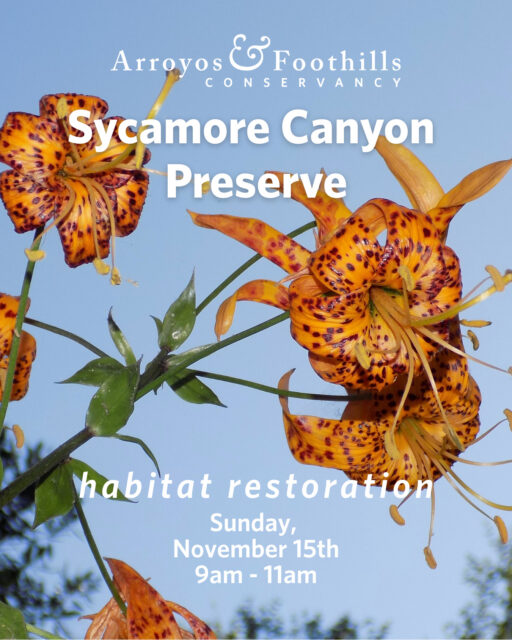
  • This Sunday, November 15th, you can help maintain the critical wildlife corridor of Sycamore Canyon!⁠
⁠
Please bring work gloves and water, and wear sturdy shoes. If available to you, we also recommend bringing a tool such as a shovel, hand pruner, or trowel.⁠
⁠
Register through the volunteer link in our bio. Registration is encouraged, but not required for attendance.⁠
⁠
Photo by Casey Redd - taken at Sycamore!
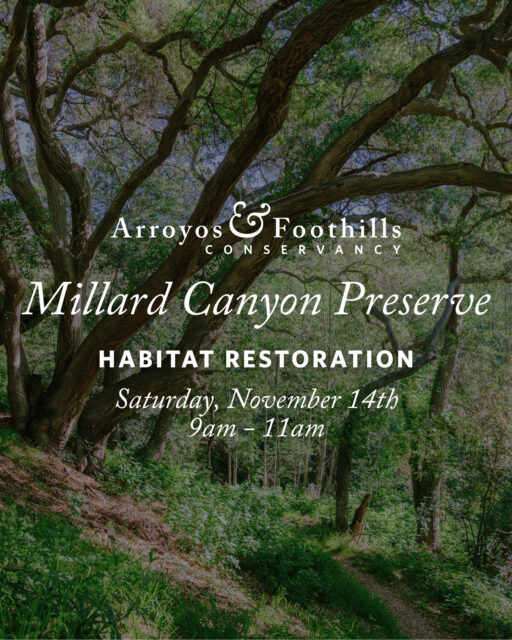
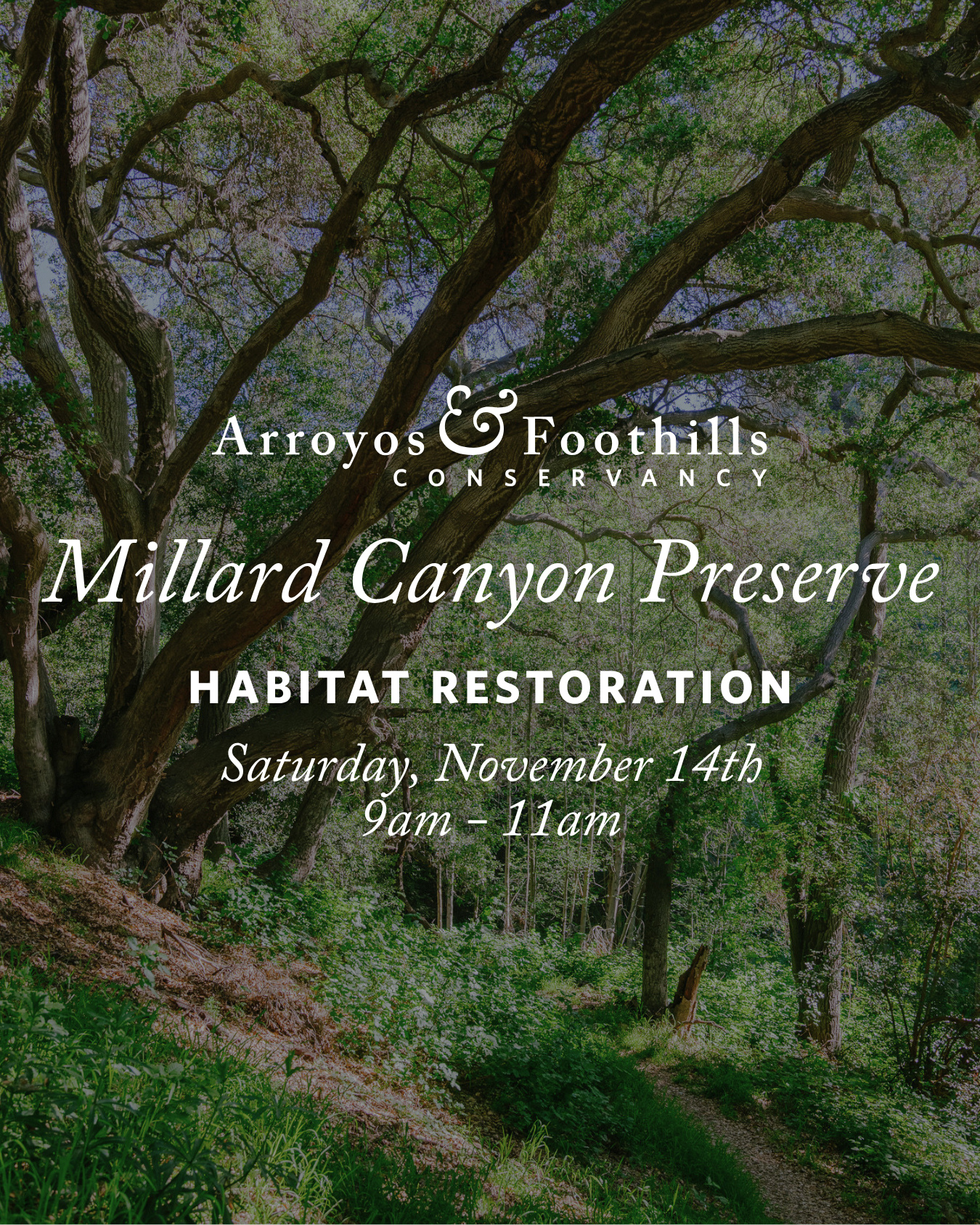
  • Join us at Millard Canyon Preserve to help maintain this special place as a wildlife refuge! Volunteers have been focusing on removing invasive species. ⁠
⁠
This Saturday, November 14th, we'll meet at 9am. If you have them, please bring tools such as weed whackers, pruners, loppers, or other hand tools suitable for cutting and clearing vegetation.⁠
⁠
Registration is requested (link in bio!)
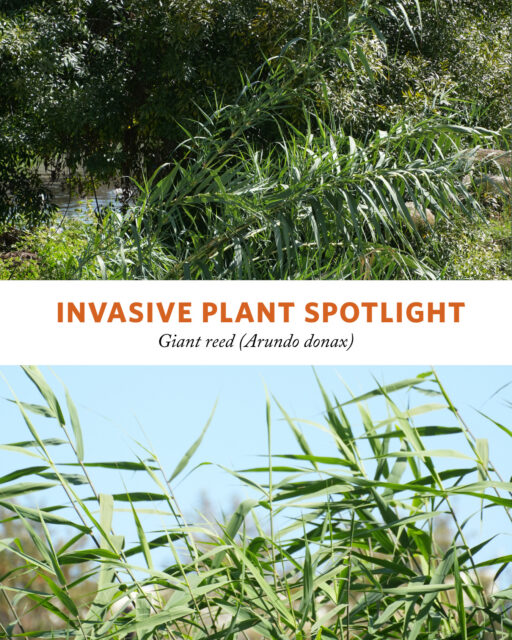
  • Learn to spot one of Southern California's most infamous invasive species!⁠
⁠
Giant reed (Arundo donax) is a tall, distinctive, fast-growing plant that often grows in thick stands along streams and wetlands. It's commonly mistaken for bamboo, its relative in the true grass family (Poaceae). It harms ecosystems by contributing to extreme water loss, increasing flood risk, and encouraging the spread of wildfire. On top of that, it has little ecological value for native wildlife.⁠
⁠
Removing giant reed can be tricky because it can regrow fully from small fragments of roots and stems. Join us at an upcoming habitat restoration event to help combat the spread of invasive species like giant reed!
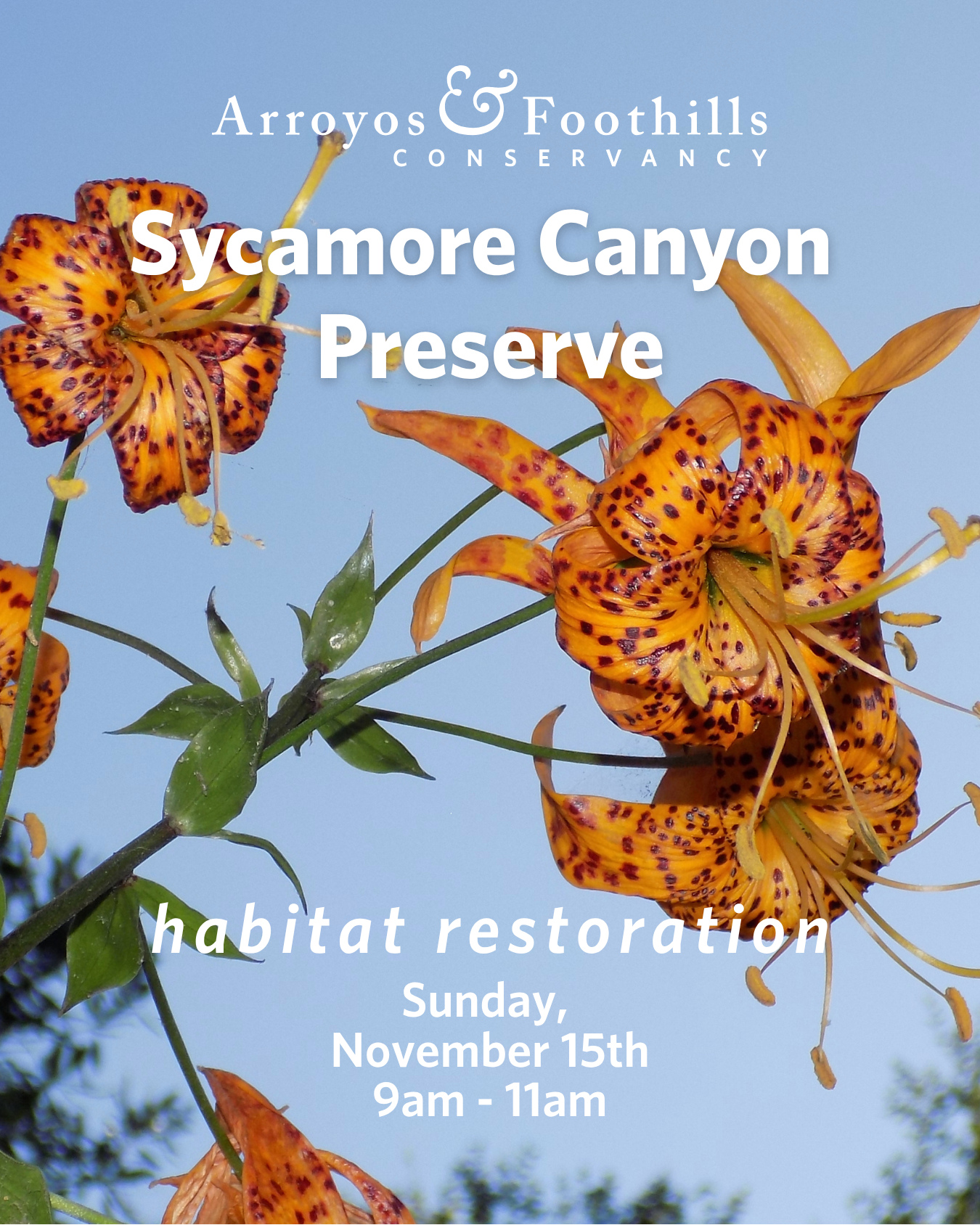
This Sunday, November 15th, you can help maintain the critical wildlife corridor of Sycamore Canyon!⁠
⁠
Please bring work gloves and water, and wear sturdy shoes. If available to you, we also recommend bringing a tool such as a shovel, hand pruner, or trowel.⁠
⁠
Register through the volunteer link in our bio. Registration is encouraged, but not required for attendance.⁠
⁠
Photo by Casey Redd - taken at Sycamore!
This Sunday, November 15th, you can help maintain the critical wildlife corridor of Sycamore Canyon!⁠ ⁠ Please bring work gloves and water, and wear sturdy shoes. If available to you, we also recommend bringing a tool such as a shovel, hand pruner, or trowel.⁠ ⁠ Register through the volunteer link in our bio. Registration is encouraged, but not required for attendance.⁠ ⁠ Photo by Casey Redd - taken at Sycamore!
14 hours ago
View on Instagram |
1/3
Join us at Millard Canyon Preserve to help maintain this special place as a wildlife refuge! Volunteers have been focusing on removing invasive species. ⁠
⁠
This Saturday, November 14th, we'll meet at 9am. If you have them, please bring tools such as weed whackers, pruners, loppers, or other hand tools suitable for cutting and clearing vegetation.⁠
⁠
Registration is requested (link in bio!)
Join us at Millard Canyon Preserve to help maintain this special place as a wildlife refuge! Volunteers have been focusing on removing invasive species. ⁠ ⁠ This Saturday, November 14th, we'll meet at 9am. If you have them, please bring tools such as weed whackers, pruners, loppers, or other hand tools suitable for cutting and clearing vegetation.⁠ ⁠ Registration is requested (link in bio!)
2 days ago
View on Instagram |
2/3
Learn to spot one of Southern California's most infamous invasive species!⁠
⁠
Giant reed (Arundo donax) is a tall, distinctive, fast-growing plant that often grows in thick stands along streams and wetlands. It's commonly mistaken for bamboo, its relative in the true grass family (Poaceae). It harms ecosystems by contributing to extreme water loss, increasing flood risk, and encouraging the spread of wildfire. On top of that, it has little ecological value for native wildlife.⁠
⁠
Removing giant reed can be tricky because it can regrow fully from small fragments of roots and stems. Join us at an upcoming habitat restoration event to help combat the spread of invasive species like giant reed!
Learn to spot one of Southern California's most infamous invasive species!⁠ ⁠ Giant reed (Arundo donax) is a tall, distinctive, fast-growing plant that often grows in thick stands along streams and wetlands. It's commonly mistaken for bamboo, its relative in the true grass family (Poaceae). It harms ecosystems by contributing to extreme water loss, increasing flood risk, and encouraging the spread of wildfire. On top of that, it has little ecological value for native wildlife.⁠ ⁠ Removing giant reed can be tricky because it can regrow fully from small fragments of roots and stems. Join us at an upcoming habitat restoration event to help combat the spread of invasive species like giant reed!
2 days ago
View on Instagram |
3/3