Arroyos & Foothills Conservancy conserves, protects, and stewards natural open space to enhance connectivity and biodiversity.
Our Work
Arroyos & Foothills Conservancy (AFC) began in 2000 as a grassroots organization committed to conservation in Altadena. Over the last 25 years we have grown into a land conservancy at the forefront of urban conservation.
We work with urgency to save and connect land for wildlife and to restore natural habitat with native plants. We also provide free environmental education to communities across Los Angeles County to nurture a greater connection to nature.
The San Gabriel Mountains are a vast natural landscape with a well functioning ecosystem. The San Rafael Hills, Verdugo Mountains, Debs Park, and Griffith Park are islands of native habitat surrounded by urbanization that need to be reconnected with the San Gabriels if they are to sustain healthy and diverse natural populations of wildlife and native plants. AFC is working to connect these islands of habitat via wildlife corridors. This work of reestablishing connectivity is necessary for wildlife to find food, water, shelter, and mates. It also allows these special urban habitats to adapt to climate change.
Wildlife corridors provide passageways suitable for the movement and dispersal of wildlife, including mammals, birds, butterflies, insects, and native plants.
AFC Properties
AFC currently owns 19 properties — over 92 acres — in Southern California.
Using an original land-prioritization matrix tool, we strategically acquire land with the highest ecological value. Some properties we save from development and passively manage as wildlife corridors; these can be as small as 1 acre or less.
On other larger properties, we restore native habitat and form a local community “Friends” group to manage the land and ensure it becomes a community resource — we call these properties Preserves. Our six Preserves are located in Altadena, Pasadena, Glendale, and La Crescenta.
Explore our conservation region and the properties we own and steward using the map below.
Los Angeles is only 1 of 2 megacities (Mumbai, India is the other) where large predatory cats live in an urban setting.
Living with Wildlife
Living in the urban-wildland interface — where vast areas of natural open space meet human development — means we share our neighborhoods with wildlife of all sizes and species.
To be respectful neighbors means making decisions that benefit all life. This could look like removing fences in your yard to allow for wildlife passage, utilizing native plant landscaping, or learning how we can maintain healthy ecosystems.
Use the button below to learn more about coexisting with the wildlife in our region.
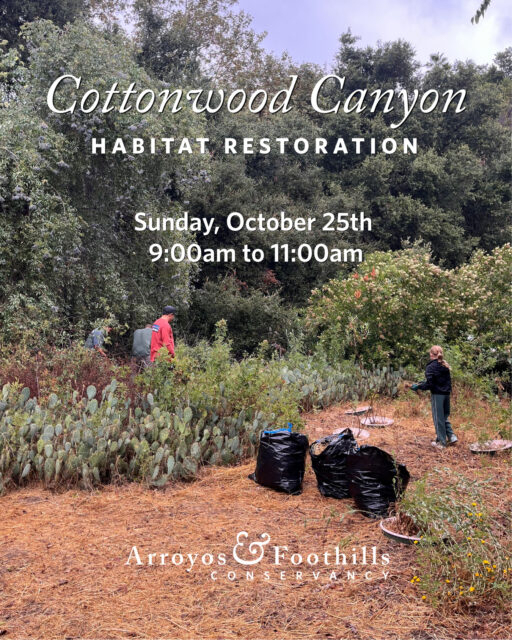
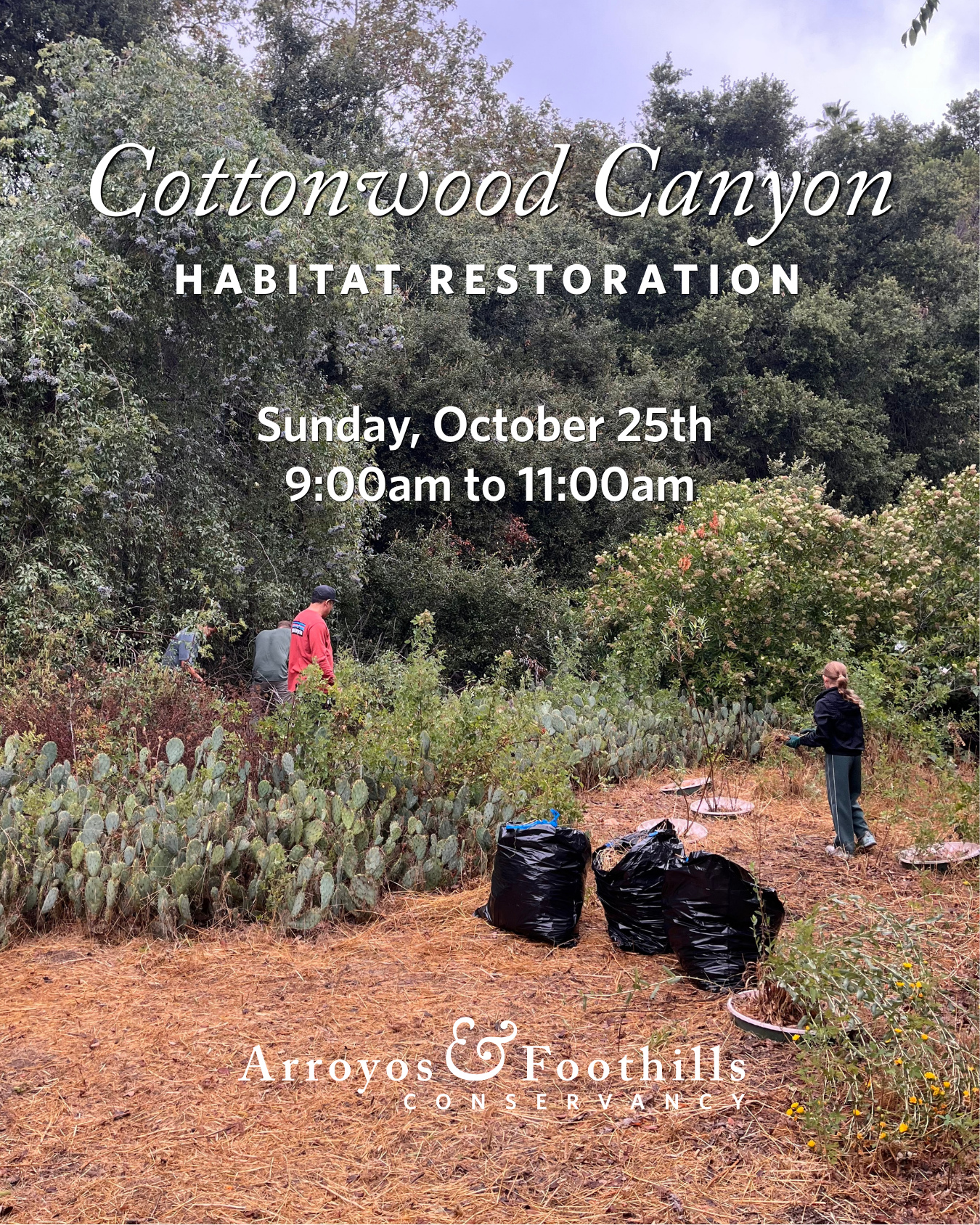
This Sunday, October 25th, help restore habitat at Cottonwood Canyon in Pasadena! We'll be working to ensure this beautiful area remains a thriving, healthy wildlife corridor.
Volunteers will meet at 9am - please bring work gloves and water, and wear sturdy shoes.
Please register through the link in our bio. Thanks for supporting urban conservation!
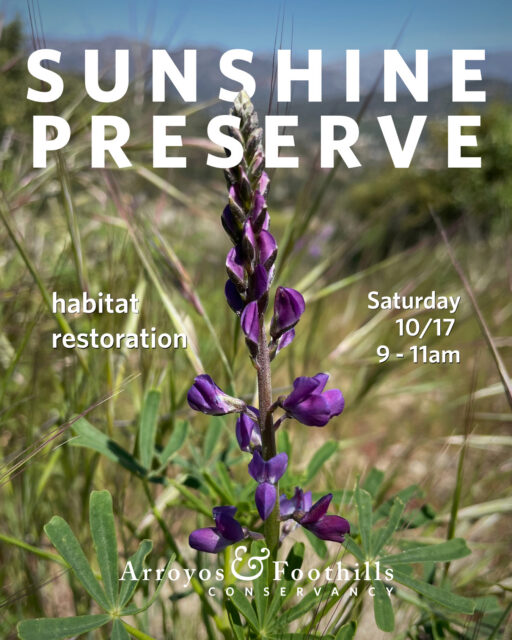
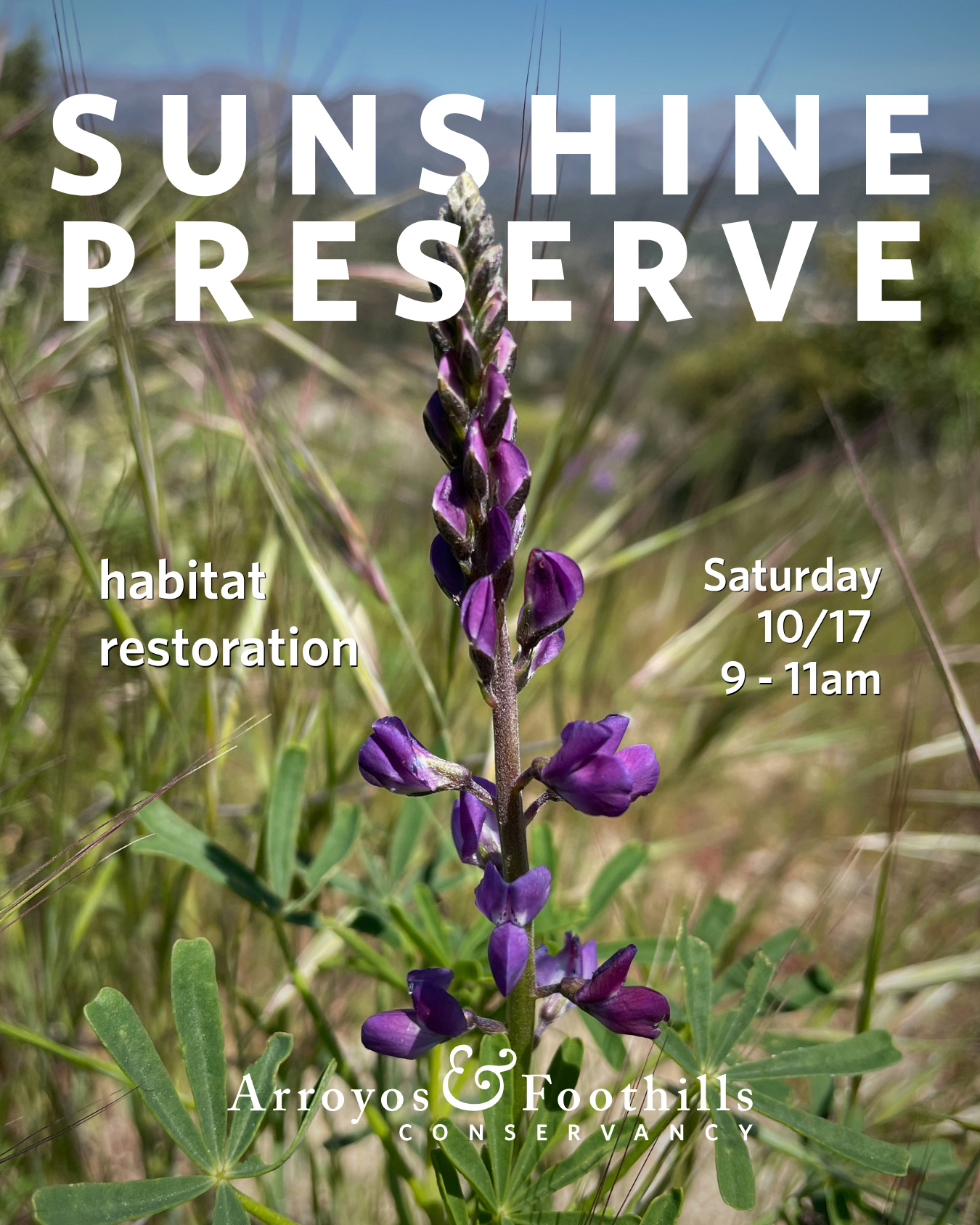
This Saturday, October 17th, join AFC at the Sunshine Preserve in Glendale! Help the community in restoring this open space.
Please bring water and we recommend wearing pants, long sleeve shirts, and sturdy shoes. If available to you, we also recommend bringing a tool such as a shovel, hand pruner, or trowel.
Registration is required for this volunteer event. You can sign up via our link in bio or by visiting arroyosfoothills.org/events
For all news Sunshine Preserve, follow @thesunshinepreserve 🌞