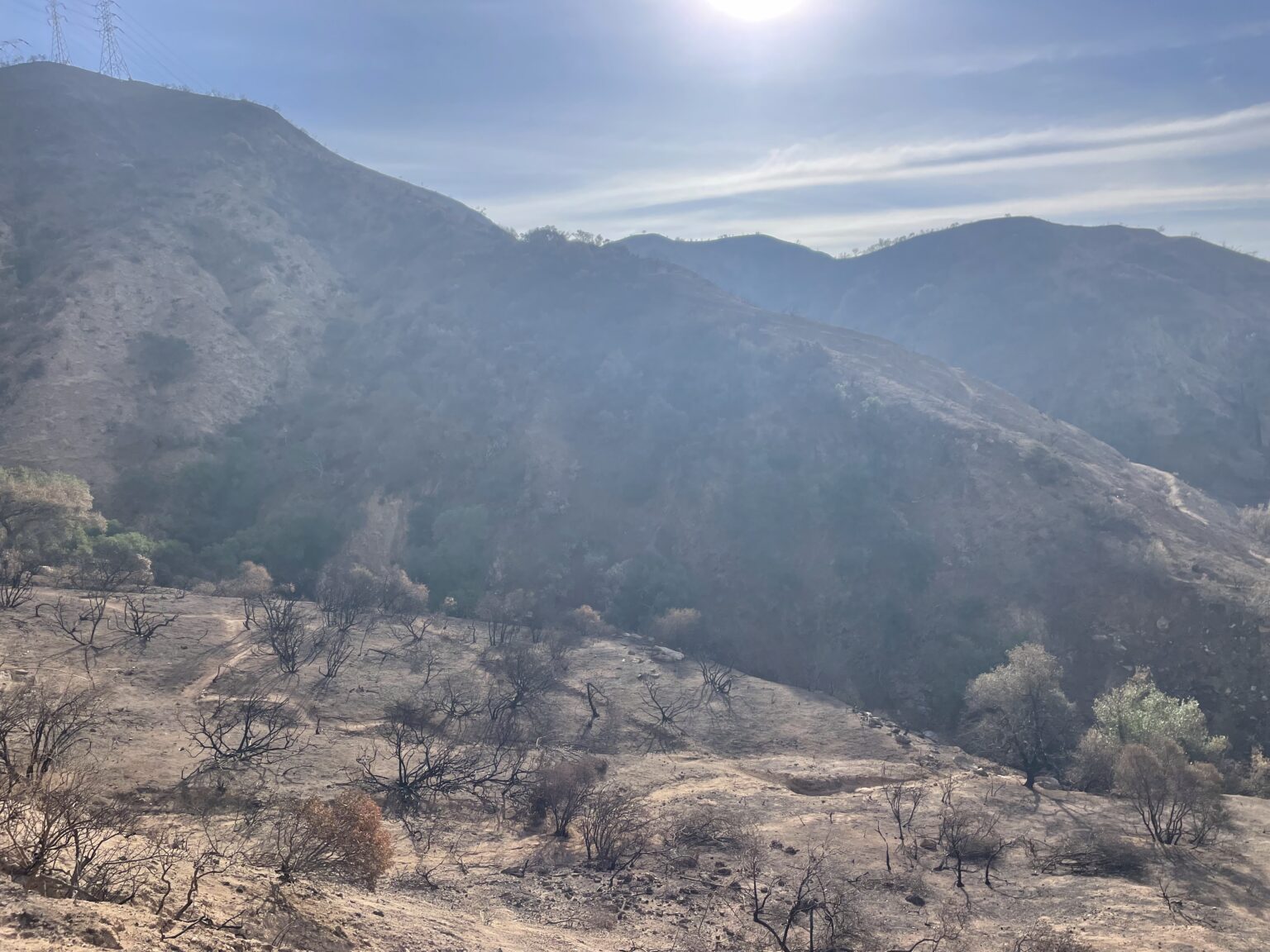
Before the Eaton Fire in January 2025, Rubio Canyon Preserve teemed with native flora. It was a beautiful place to hike and a thriving corridor for wildlife traveling to and from the Angeles National Forest. AFC and the Friends of Rubio regularly maintained hiking trails and removed invasive plants. We were also working on a long-term project to develop an outdoor education center at the Preserve.
After the fire tore through the canyon, our stewardship priorities needed to change. The first step was to let the land heal.
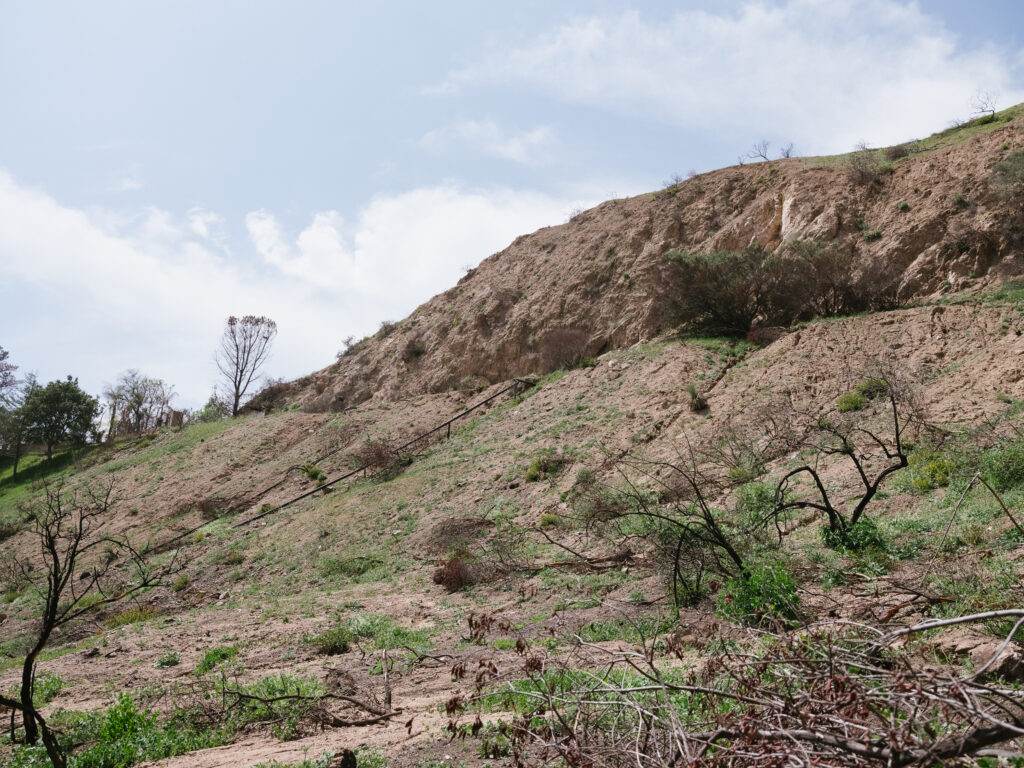
Rubio Canyon, April 2025
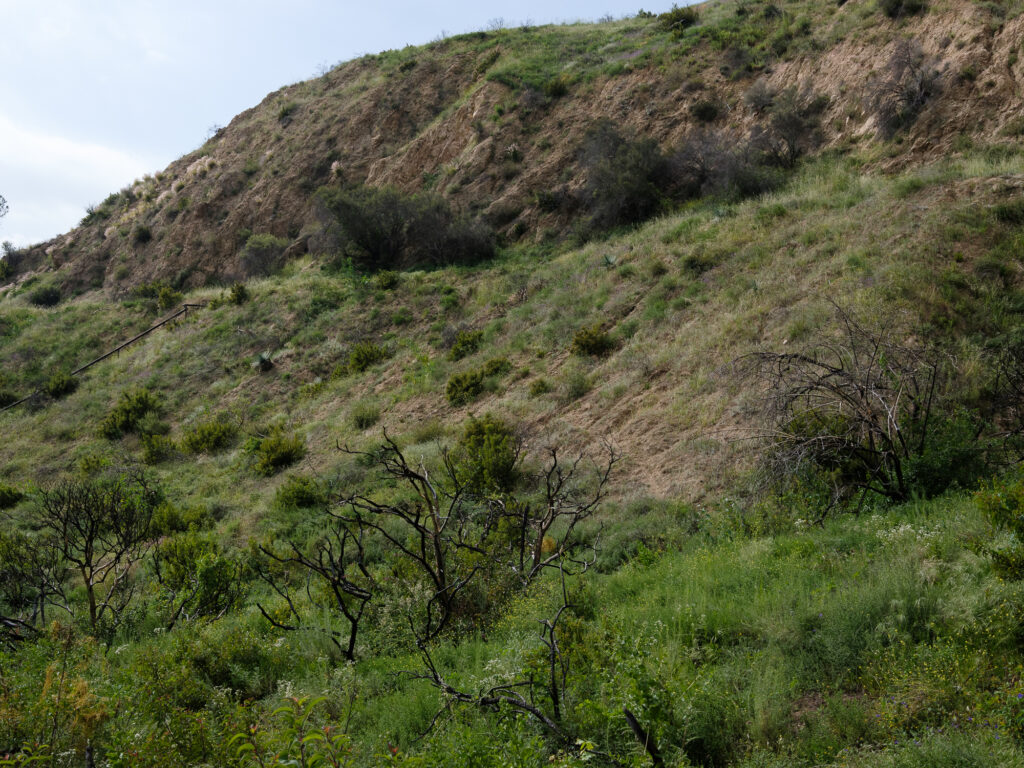
Rubio Canyon, March 2026
For the first few months after the fire, we left the charred land alone. Even invasive species served a purpose: the growing vegetation helped stabilize slopes, so we let those plants be. We closed the Preserve for public safety and to ensure the sprouting native plants and vulnerable wildlife would not be disturbed by human activity.
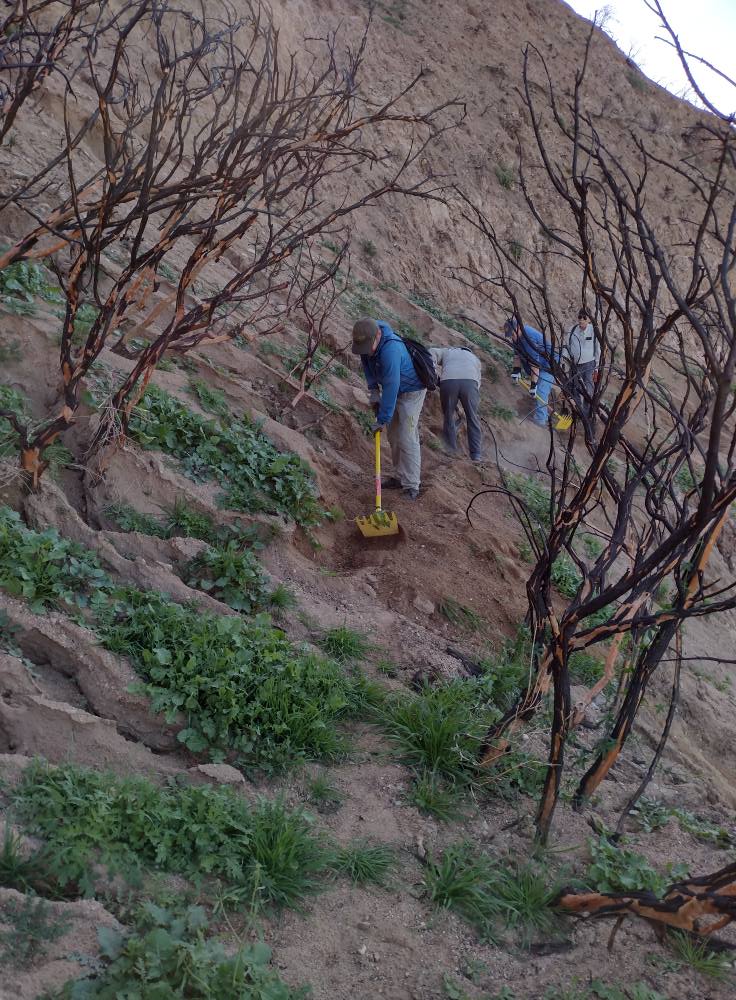
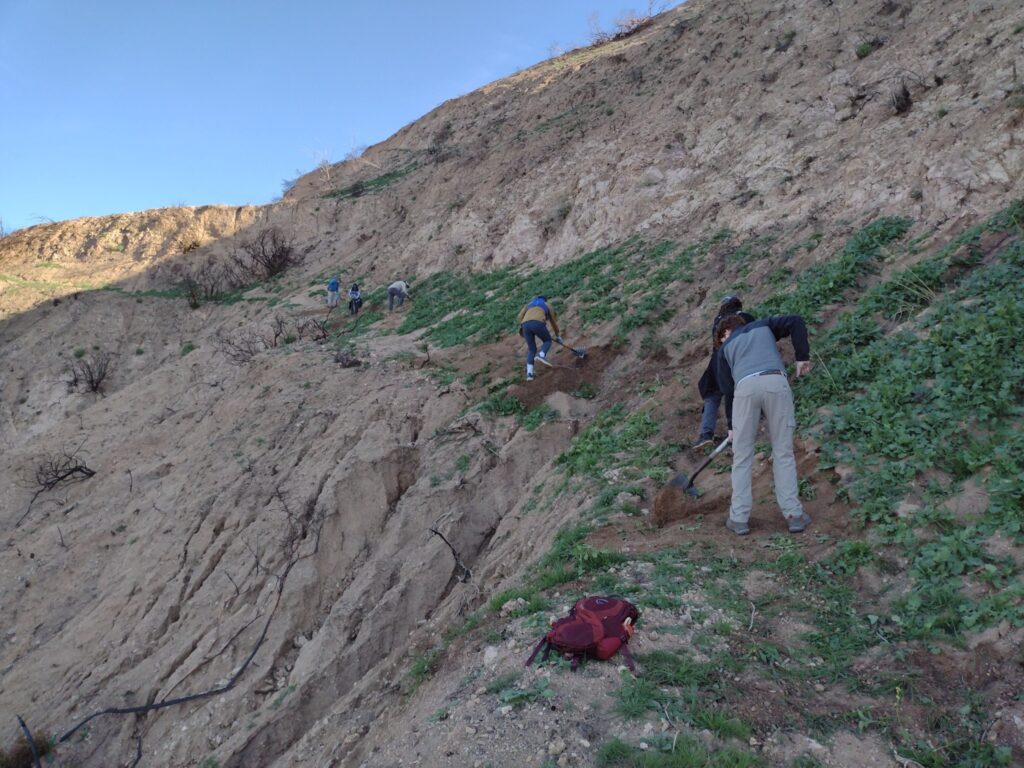
In April 2025, the Rubio Canyon trail crew got back to work, beginning the arduous effort of restoring the historic network of trails that once zig-zagged through the canyon. In small groups, they carefully removed debris, cleared sediment from washed out trails, and trimmed the blackened branches of burnt trees.
Rubio Trail Crew members clearing slough from the Loma Alta trail, April 6th, 2025.
Rubio Trail Crew members clearing slough from the Loma Alta trail, April 6th, 2025.
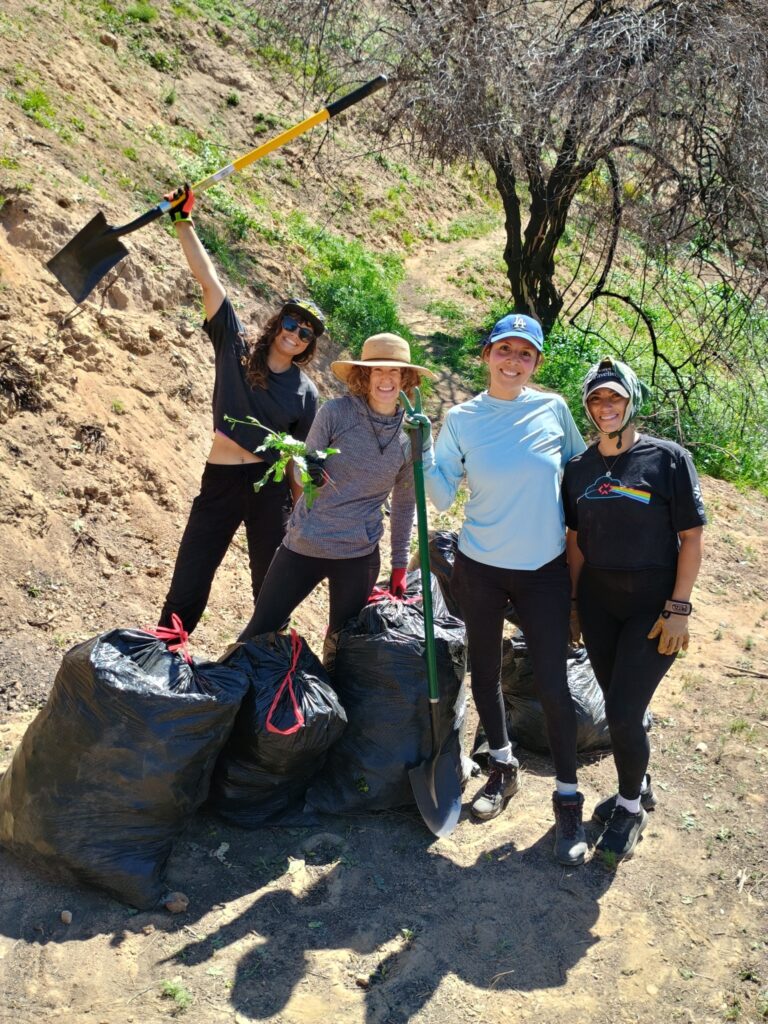
Volunteers bagging invasive mustard in the Canyon, April 19th, 2025.
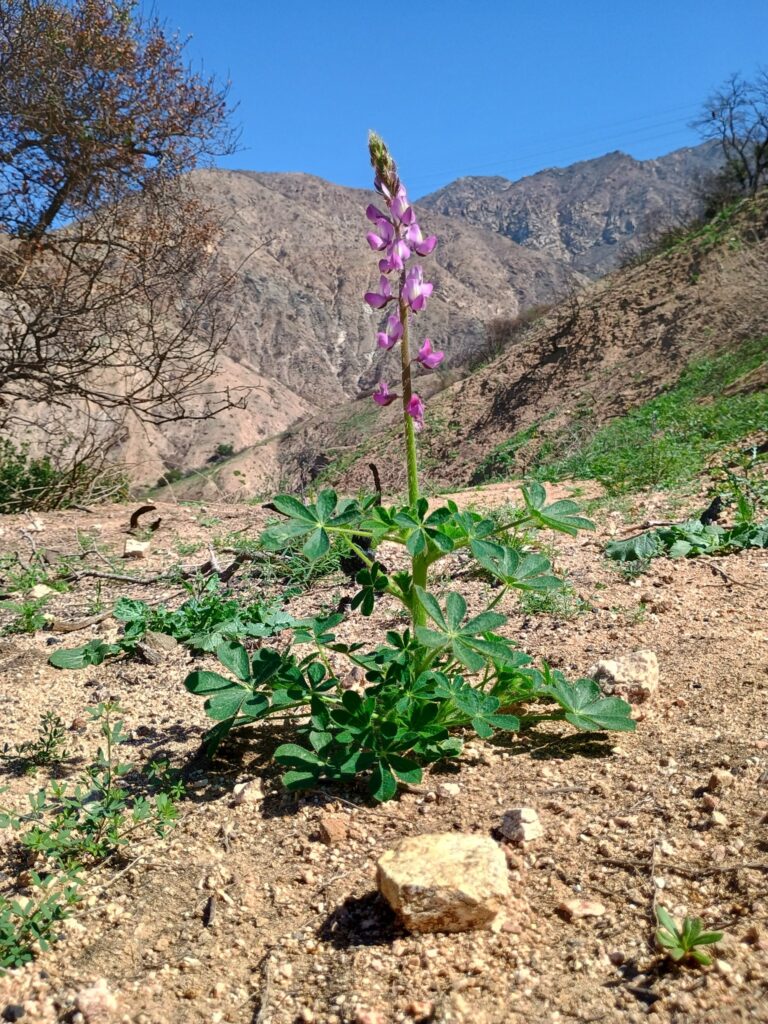
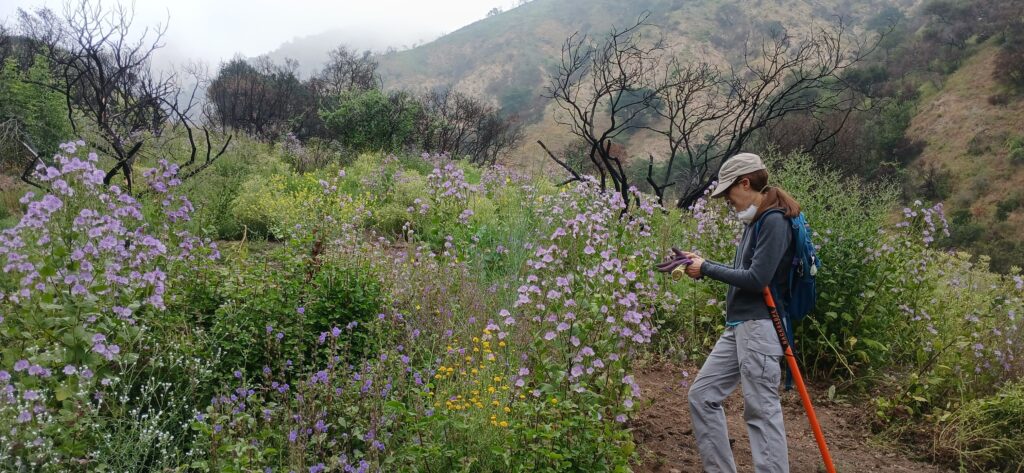
New growth seen in the Canyon, April 2025
By June 2025, native plants sprouted from stumps and colorful fire-followers like purple largeflower phacelias painted the slopes. Our wildlife cameras caught images and videos of gray foxes, bobcats, black bears, deer, and mountain lions in the canyon.
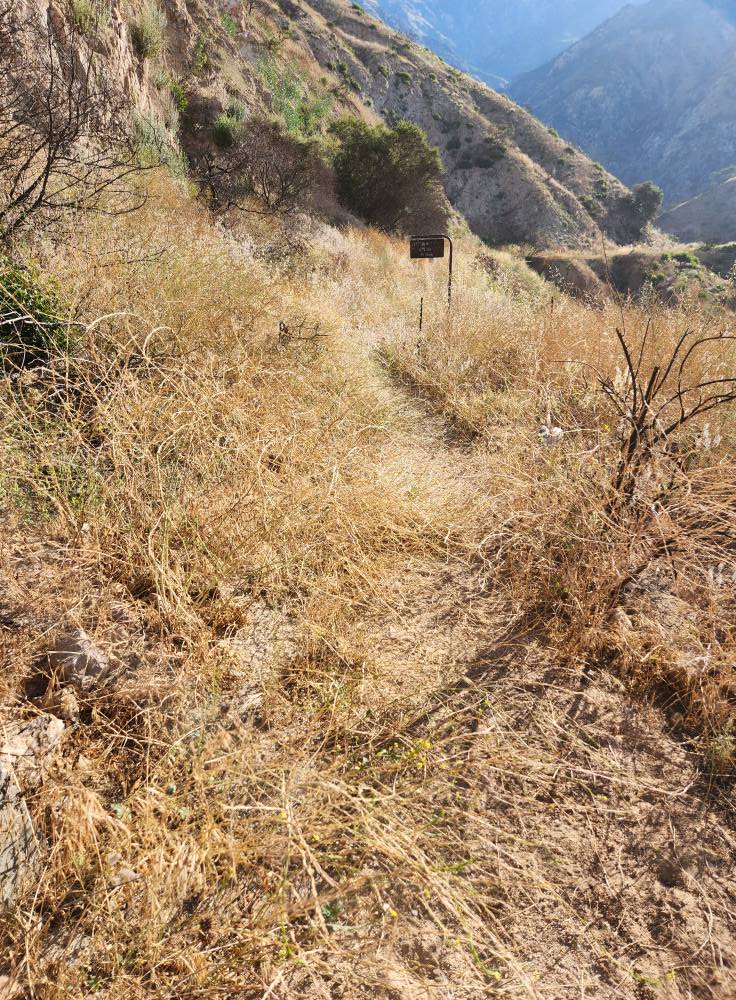
One of the trails in Upper Rubio Canyon that needed clearing. July 7th, 2025.
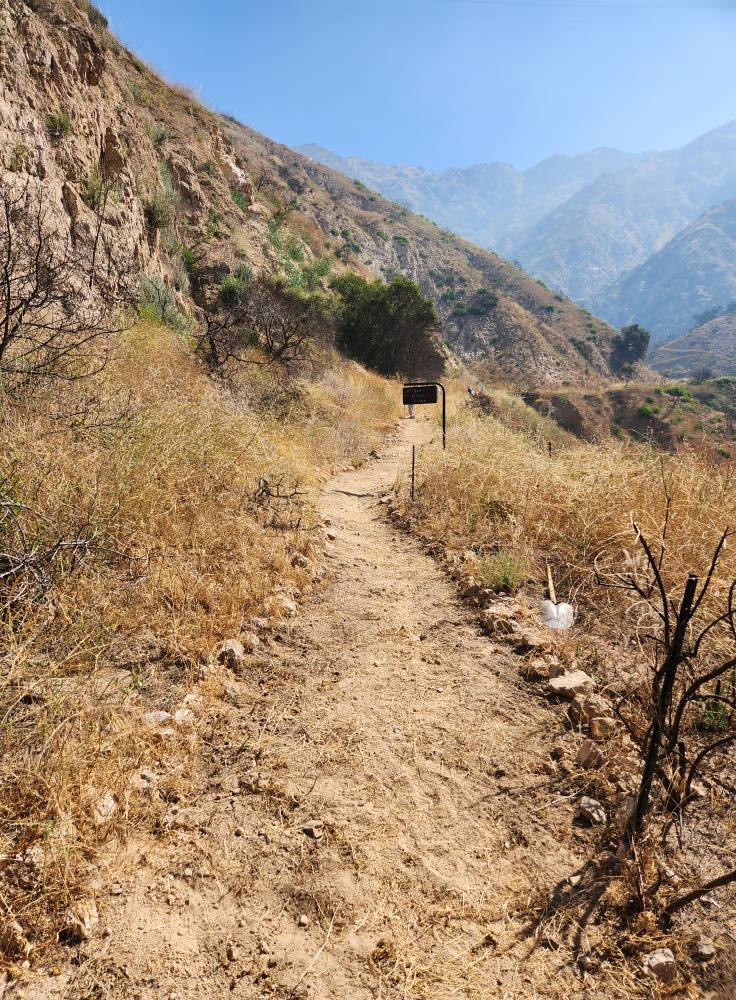
The trail after a Trail Crew work day. July 7th, 2025.
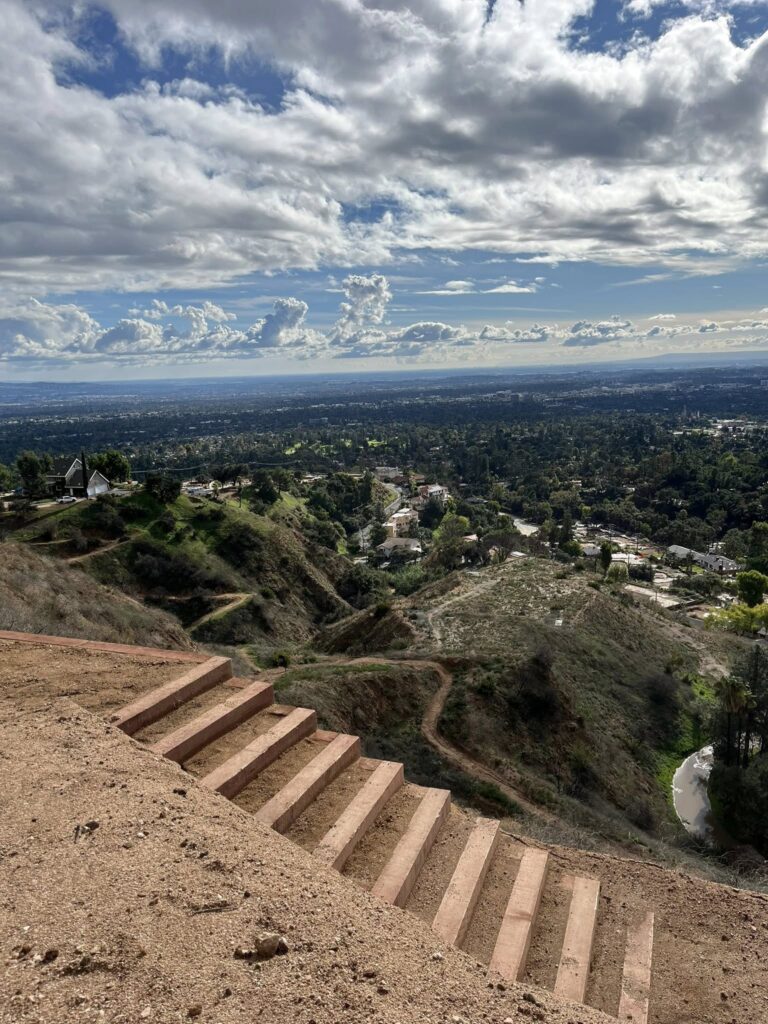
Through the fall, the Trail Crew chipped away at restoring the trails. Thanks to funds from the Los Angeles County Regional Park and Open Space District RESTORE program, we repaired nearly 100 feet of severely eroded trail, building new steps and retaining walls.
13 months after the fire, with pesky invasive mustard lining the trails and the opportunistic tree tobacco trying to take over areas near the canyon’s stream, it was time to bring in more hands to help. The Preserve could now support larger groups of volunteers, so we reopened public restoration days. By removing invasive species that steal nutrients and water, we give the native plants of the Preserve a better chance at long-term resilience.
Though the contours of the canyon have changed, the foliage and seasonal stream continue to provide habitat and sustenance to local wildlife.
Though the Trail Crew has made inspiring progress, many trail sections are still unsafe, washed out, or completely impassable—some damaged areas extend beyond AFC ownership into the Angeles National Forest. So we’re keeping the Preserve closed to general hiking access until these sections can be safely restored. But, community members can access the Preserve through our public restoration days on the first Saturday of every month.
Together, we’ll support the canyon’s ongoing recovery.
The restoration of our lands is only possible when we all choose to invest in it.